By Emmanuel Antswen
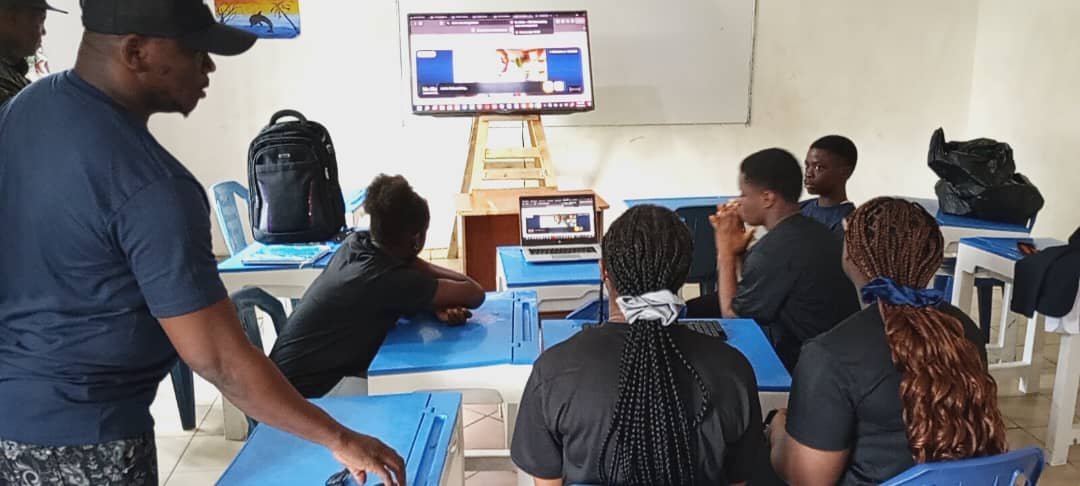
A non-governmental organisation, Women Environmental Programme (WEP), has successfully trained and empowered 100 Benue women, youth and persons with disabilities in sustainable agriculture, aquaponics and livestock management.
WEP Project Manager Ms Damaris Uja said that alongside other skills, the beneficiaries were taught how to establish mini ranches and integrated farming systems.
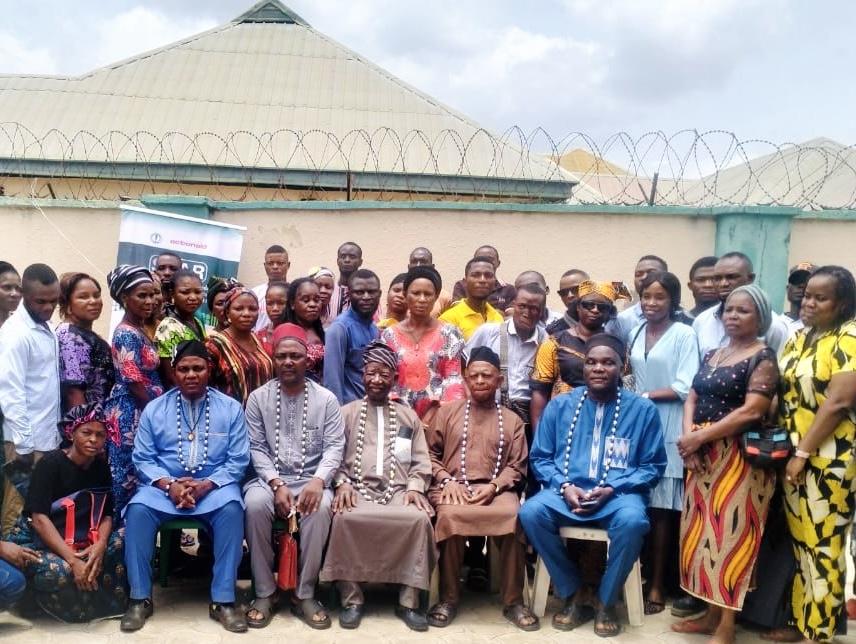
Ujah, who spoke at the Project Close-Out, Learning and Adaptation Workshop in Katsina-Ala, said the interventions improved livelihoods, enhanced food security, and promoted inclusive community participation.
The project manager noted that the project was designed in response to persistent farmer-herder conflicts driven by climate-induced resource pressures, declining agricultural productivity, and limited livelihood opportunities.
“Women, youth, and persons with disabilities were particularly vulnerable to these challenges.
“The project sought to improve food security, household income, climate resilience, and peaceful coexistence between farmers and pastoralists by introducing inclusive, climate-smart livelihood models.
“A total of 100 persons in Benue directly benefited from the project, including 10 per cent youth participation and five per cent persons with disabilities,” he explained.
She stated that the project known as the Strengthening Peace and Resilience through Climate-Smart Agriculture (SPAR) was implemented in Benue (Katsina-Ala LGA) and Katsina State (Batagarawa LGA).
Uja added that the project was funded by the United Kingdom’s Foreign, Commonwealth and Development Office (FCDO) through the SPRiNG Programme and implemented in partnership with Tetra Tech International Development and ActionAid Nigeria.
The Chairman, Katsina-Ala Local Government Area, Mr Justin Shaku, in his goodwill message, commended WEP and its partners for implementing practical interventions that improved livelihoods and strengthened peace in communities.
Represented by his Special Adviser on Sustainable Development Goals (SDGs), Ms Patience Gbishe, Shaku emphasised the need for stronger collaboration between government institutions and community structures to sustain the project’s gains.
The District Head of Michihe Council Ward, Chief Zaki Ordologh, lauded the team for bringing a project that addressed the critical needs of the community and promoted peaceful coexistence.
Ordologh assured that the community would own the project for sustainability purposes and encouraged beneficiaries to take full responsibility for the project’s facilities.
The excited beneficiaries shared positive experiences and pledged to make good use of the knowledge gained.
They said that they have learnt improved farming practices, better livestock health, higher income opportunities, and enhanced conflict management skills.
The participants recommended strengthening community management structures, expanding the project to other communities, ensuring continued inclusion, and sustaining monitoring efforts.
They added that despite the project’s closure, the systems and knowledge established provide a strong foundation for continued impact and long-term community development.
The News Agency of Nigeria (NAN) reports that the project began in November 2025 and officially came to an end in March 2026. NAN