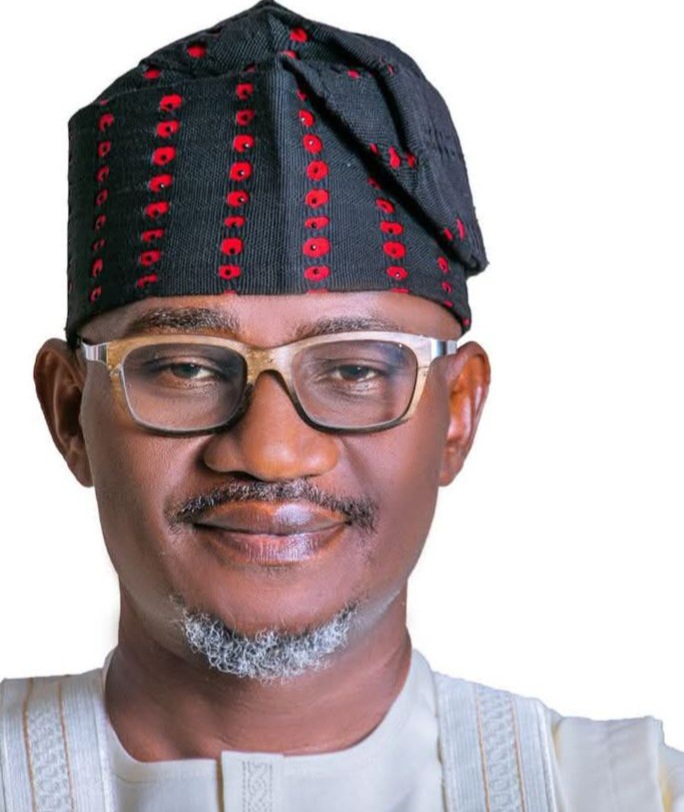
By Onyeje Abutu-Joel
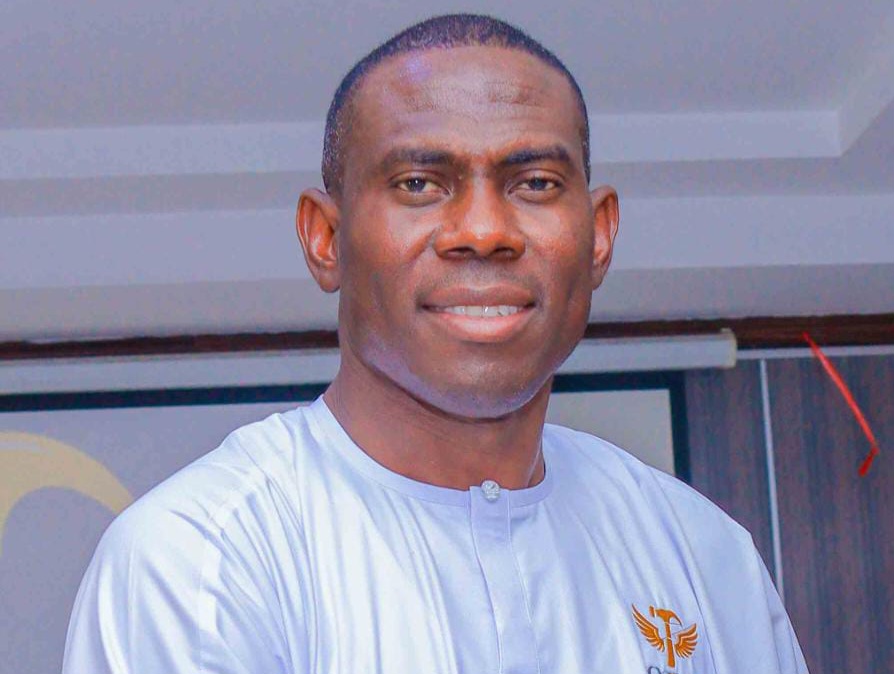
A chieftain of the All Progressives Congress (APC) Mr Daniel Onjeh says Nigeria’s democratic institutions are now stronger than what they were before the return of democracy in 1999.
Onjeh, who is a former president of the National Association of Nigerian Students (NANS), stated this in an interview with the News Agency of Nigeria (NAN) on Thursday in Makurdi.
The APC chieftain said that the greatest achievement of Nigeria was the fact that democratic rule survived and endured 27 years in the country.
He emphasised that for the first time in Nigeria’s history, the country had enjoyed an uninterrupted democratic dispensation for more than two decades.
Onjeh noted that citizens were now more politically aware, and public participation in governance had expanded considerably.
The former NANS president pointed out that Nigeria had also witnessed gradual improvements in the electoral process.
“From the era of largely manual accreditation and voting procedures, Nigeria has moved through several phases of electoral reforms, such as the introduction of the Permanent Voter Card (PVC), smart card readers and the Biometric Voter Accreditation System (BVAS).
“These and many other technological innovations had undoubtedly improved transparency and reduced some of the shortcomings that previously characterised our elections,” Onjeh said.
However, Onjeh, who was the APC candidate in the Benue South Senatorial District election in 2015 against David Mark, said Nigeria had also faced significant challenges which must be tackled if the country was to build the strong and enduring democracy its citizens desired.
He stated that in spite of the efforts to achieve transparency in the electoral processes, anti-democratic forces and election riggers often evolved new methods of manipulating the system whenever new safeguards were introduced.
“Each electoral cycle tends to expose fresh loopholes and new attempts to undermine the credibility of the process, so there is need for continuous reforms and innovations.
“In my view, the logical destination of Nigeria’s electoral reform journey should be the full implementation of real-time electronic transmission of results and, ultimately, secure electronic voting.
“These measures would significantly reduce windows for manipulation between the point of voting and the declaration of results, while strengthening public confidence in the electoral process.
“The goal should be to create a system where election outcomes are determined solely by the votes cast by citizens and not by the ability of individuals or groups to exploit weaknesses within the process.
“Electoral integrity is strengthened when citizens have confidence that their votes count and that election results accurately reflect the will of the electorate,” Onjeh said.
The APC scribe, who also contested the just-concluded APC primaries for the Benue South Senatorial District seat, said the internal functioning of political parties had also contributed to the serious challenges facing Nigeria’s democracy.
“Political parties are the engines of democracy; they are the vehicles through which leadership is recruited and citizens participate in governance.
“Unfortunately, many political parties have not fully lived up to democratic expectations, so internal democracy remains weak, and in many instances, decisions are imposed on members rather than emerging through transparent and participatory processes.
“Too often, parties are run in ways that resemble oligarchies rather than democratic institutions, and this weakens confidence in the political process and sometimes denies citizens the opportunity of being represented by candidates who genuinely emerge through popular support.
“For democracy to flourish, political parties themselves must become more democratic so that members can have confidence that party primaries, internal elections, and major decisions are conducted fairly and transparently,” Onjeh said.
Onjeh expressed concern that there was an absence of sufficient service and sacrifice in public life, pointing out that strong democracies should be built by leaders who would make difficult decisions and establish institutions that would outlive them.
He said many political actors unfortunately focused more on immediate political gains than on long-term national development.
He insisted that public office must once again be viewed primarily as a call to service and an opportunity to leave behind stronger institutions for future generations.
Onjeh said while many people were proud of the progress made since 1999, leaders must not become complacent, saying that democratic consolidation was a continuous process, not a destination. NAN