By Janada Bangalu
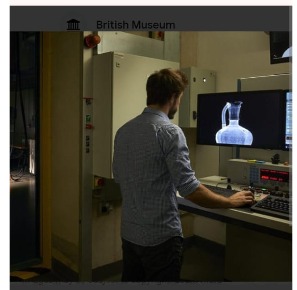
Modern technology such as 3D scanning and x-ray imaging is transforming how cultural heritage is preserved and studied.
The Digital Revolution in Conservation
Today’s conservators have tools that were unimaginable just decades ago, which are still beneficial to the modern day human activities across thr globe.
Technology is changing how we understand, protect, and share cultural heritage amongst various ethnic groups, communities and nations.
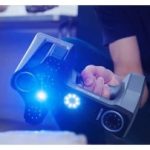
Modern technology such as 3D scanning and x-ray imaging is transforming how cultural heritage is preserved and studied
For museums, archives, and cultural institutions, these advancements mean fragile objects can be preserved more effectively, while their stories can reach wider audiences.
KEY INNOVATIONS
3D Scanning captures every detail of an artifact and produces accurate digital replicas that can be studied by researchers, students, and the public anywhere in the world.
X-ray imaging reveals hidden structures inside objects, from the internal framework of bronze sculptures to earlier layers of paint in historic artworks, without opening or damaging them.
Laser cleaning removes dirt, corrosion, or pollution with high precision, reducing the risks associated with harsh chemicals or abrasive cleaning methods.
Environmental sensors monitor temperature, humidity, and light levels continuously, alerting conservators before conditions cause damage such as mold, cracking, or fading.
WHY IT MATTERS
Technology allows conservators to treat objects more carefully, understand them more deeply, and share them more widely without putting the original artifact at risk.
Through digital archives and virtual exhibitions, even fragile objects that cannot be physically displayed can still be studied and appreciated.
Blending Old and New Traditional conservation skills such as careful handling, material knowledge, and manual repair remain essential.
Technology does not replace these skills. Instead, it supports them. Tools like brushes, microscopes, and lasers now work together in the service of preservation.
LOOKING AHEAD
As technology continues to develop, conservation will continue to evolve with it. Artificial intelligence may one day help predict damage before it occurs. Virtual reality may allow people to explore historical environments without leaving a museum. What will remain unchanged is the responsibility to preserve heritage for future generations.
Janada Bangalu (Mrs) is the Conservator with Jos Museum, Plateau – Nigeria.